Gliding Across Time: The Evolution of Vehicle Showcases


Automotive exhibitions and displays have become a celebrated tradition for automotive enthusiasts around the planet, changing significantly over the generations. From simple starts with a few classic vehicles on display to grand events showcasing the cutting-edge innovations in automotive design and technology, car shows serve as a vibrant celebration of automotive culture. Whether it’s a classic car show featuring elegant automobiles or a hypercar showcase highlighting the newest performance cars, there is something for everyone in the rich landscape of car events.
As we navigate through the history of car shows, we find a intriguing tapestry woven with passion, connection, and artistry. Local car shows bring neighbors together to share their love for cars, while massive auto shows attract global audiences eager to see the upcoming automotive trends. Classic car enthusiasts often gather to dedicated festivals, including vintage car gather and car meet events, where they can appraise both nostalgic features and the narratives behind these cherished automobiles. Each gathering not only showcases the evolution of the automobile but also fosters a sense of camaraderie among fans, creating memories and inspiring future generations to appreciate the art of car design.
The History of Car Shows
The idea of car shows can be traced back to the dawn 1900s when automobile manufacturers began hosting shows to showcase their latest models. These gatherings evolved from modest assemblies into grand exhibitions, attracting not just the buyers and enthusiasts and the average person. The first major auto show, the Paris Auto Show, debuted in eighteen ninety-eight, setting a precedent for coming automotive events globally. As the fame of automobiles increased, these events became a platform for creativity, where carmakers revealed cutting-edge designs and technology.
By the fifties and 1960s, car shows had developed into a staple of American culture, particularly with the rise of the vintage car show. These shows honored classic vehicles, highlighting the skill and design of earlier eras. Car enthusiasts would come together to enjoy classic models, and this trend spurred the planning of local car shows and celebrations in communities across the country. In addition to featuring classic cars, these gatherings fostered a sense of unity among fans, leading to the growth of car meets that included informal gatherings in car parks and public spaces.
As the automotive industry continued to evolve, so did car shows. The advent of distinct events marked a fresh era, with themes focusing on classic car expos, American car shows, and even altered car shows. The rise of battery-powered cars has led to the emergence of EV auto shows, demonstrating changing consumer preferences and the industry's move toward green practices. Today, car exhibitions continue to attract audiences, with cutting-edge displays and participatory experiences, remaining faithful to their beginnings while adapting to modern practices and advancements.
Varieties of Automotive Exhibitions
Car shows come in many styles, serving diverse interests and groups within the automotive world. Classic car shows focus on classic automobiles, showcasing models that have stood the test of time. These events draw enthusiasts who appreciate the history and skill of older cars. Participants often delight in viewing vehicles from various decades, exchanging tales, and sometimes joining in races for awards.
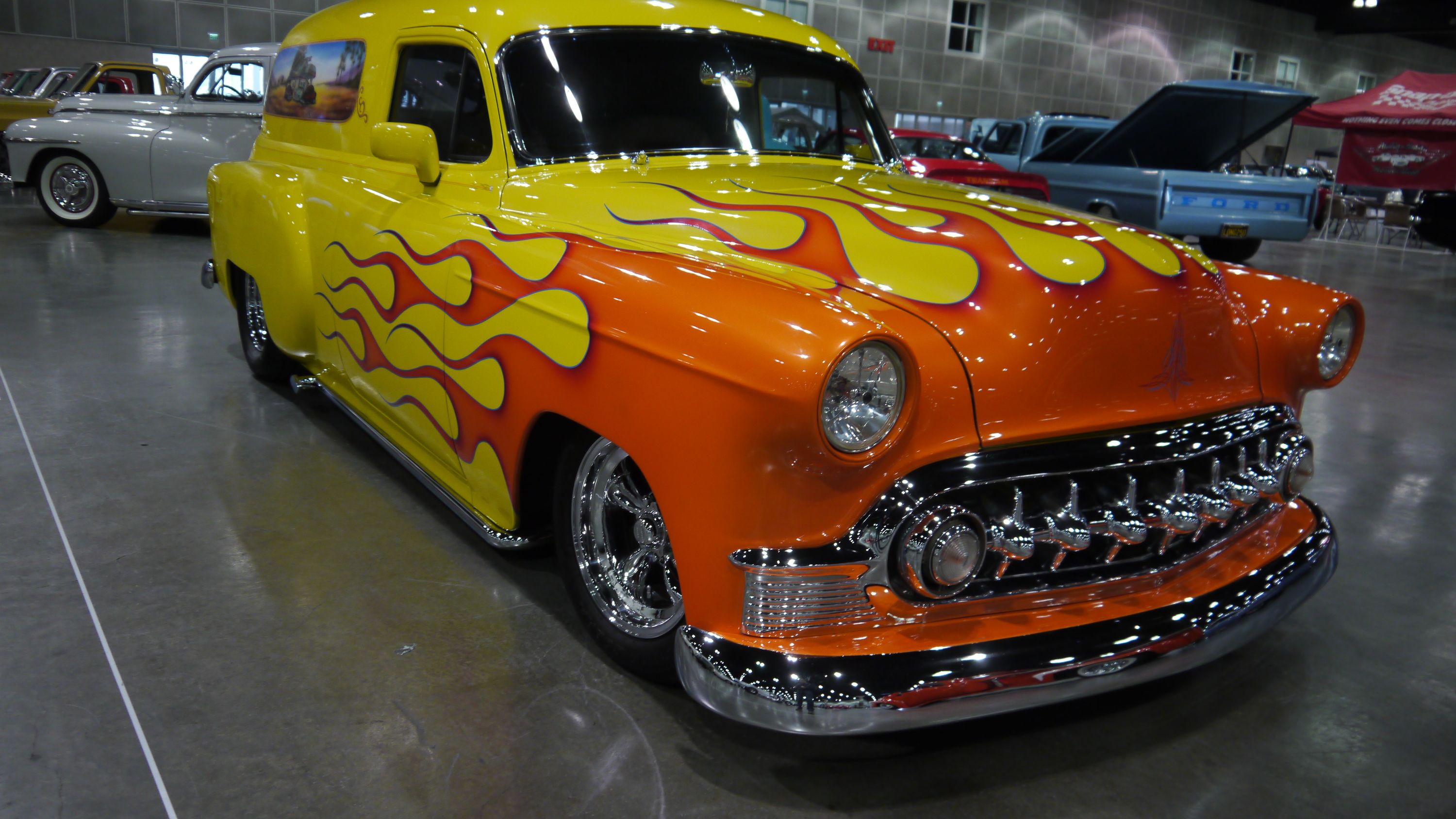
Auto expos and automotive exhibitions are more extensive events that feature new car models, cutting-edge tech, and market movements. These auto shows often include manufacturers, giving consumers a first look at new releases and innovations in the car industry. MotorHype can also participate in interactive displays, talks, and launch events, making it a buzzing spot for car enthusiasts and automotive experts alike.
Community car events and car meets represent a locally-oriented aspect of the car culture. These gatherings often feature a blend of vehicles, from regular automobiles to custom creations. Participants bond over their common love for cars, creating a welcoming environment where people can exhibit their vehicles and interact with fellow enthusiasts. These events can range from informal gatherings in parking lots to structured displays in park venues, celebrating the variety of the automotive culture.
The Future of Automotive Exhibitions
In light of the automotive industry changes, so will automobile shows and events. Due to the growth of EVs and advancements in car technology, upcoming car exhibitions are likely to incorporate greater innovative features. Expect to witnessing an upsurge in the presence of battery-powered and alternative fuel vehicles at local car shows, as well as dedicated sections for green models at popular auto shows. Such changes will not only highlight the most recent advancements but also attract a new and broader audience.
Interactive experiences will play a central role in the evolution of car gatherings. Including virtual reality test drives to online car meets, the inclusion of technology is set to redefine how fans interact with cars. Future historical car shows may leverage augmented reality to offer enhanced insights into the history and technical aspects of featured vehicles, improving the visitor experience. This mix of heritage and innovation will ensure car festivals current in an ever-changing automotive world.
Moreover, the focus on inclusion and community involvement will shape the future of car exhibitions. Organizers are more and more valuing diversity, aligning events with local interests and cultures. Upcoming car shows may feature more varied themes, honoring a range of modified cars to vintage auto shows that celebrate different eras of automotive design. This trend toward inclusion will guarantee that car meets and exhibitions address a wider audience, fostering a sense of community among enthusiasts of diverse backgrounds.